
We may determine that you need a tooth extraction for any number of reasons. Some teeth are extracted because they are severely decayed; others may have advanced periodontal disease, or have broken in a way that cannot be repaired. Other teeth may need removal because they are poorly positioned in the mouth (such as impacted teeth), or in preparation for orthodontic treatment. The removal of a single tooth can lead to problems related to your chewing ability, problems with your jaw joint, and shifting teeth, which can have a major impact on your dental health. In most cases, to avoid these complications, we will discuss alternatives to extractions as well as replacement of the extracted tooth.
The Extraction Process
At the time of extraction the doctor will need to numb your tooth, jawbone and gums that surround the area with a local anesthetic. During the extraction process you will feel a lot of pressure. This is from the process of firmly rocking the tooth in order to widen the socket for removal.
You feel the pressure without pain as the anesthetic has numbed the nerves stopping the transference of pain, yet the nerves that transmit pressure are not profoundly affected.
If you do feel pain at any time during the extraction please let us know right away.

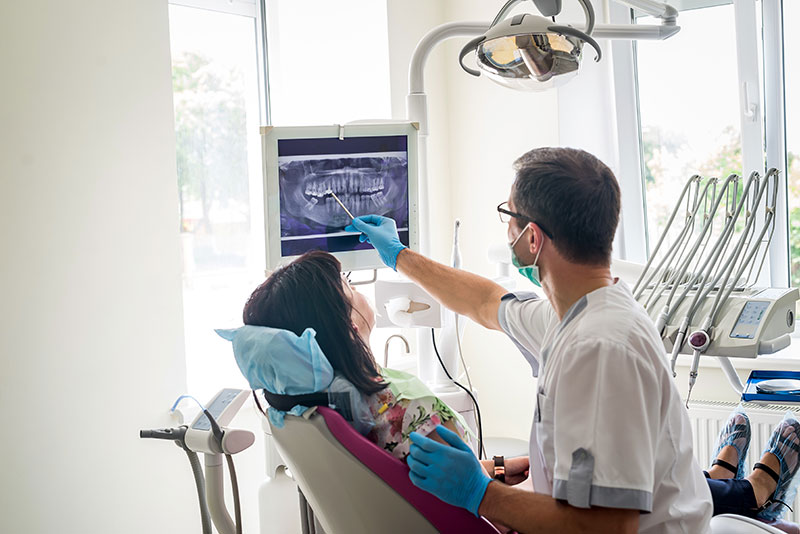
Sectioning a Tooth
Some teeth require sectioning. This is a very common procedure done when a tooth is so firmly anchored in its socket or the root is curved and the socket can’t expand enough to remove it. The doctor simply cuts the tooth into sections then removes each section one at a time.
After Tooth Extraction
Healing starts right away after your extraction — and a proper blood clot is key.
To help the clot form:
- Bite gently but firmly on the gauze pad for 30–45 minutes after your appointment.
- If bleeding continues, replace the gauze and bite for another 30 minutes.
- If bleeding still persists, gently bite on a moistened tea bag with steady pressure for about 45 minutes. The tannins in tea can help the blood clot form.
For the next 72 hours, protect the clot:
- Do not rinse forcefully, use a straw, smoke, drink alcohol, or brush near the extraction site.
- Avoid heavy exercise for 24 hours — it can raise blood pressure and cause more bleeding.
Managing discomfort:
- Some pain and swelling are normal. Use an ice pack (or frozen peas) on and off during the first 24 hours to reduce swelling.
- Take over the counter anti-inflammatory medication or your prescribed pain medication as directed. If it’s not helping, please call us.
- If you were prescribed antibiotics, take the full course as instructed.
Eating and drinking:
- Stick to soft, nutritious foods and plenty of fluids the day of your extraction.
- You can return to your normal diet as soon as you feel comfortable.
Oral care:
- After 24 hours, gently resume your regular brushing and flossing routine (avoid the extraction site at first). Keeping your mouth clean helps healing.
- After 2–3 days, you may gently rinse with warm salt water (½ teaspoon of salt in a glass of warm water) a few times a day to keep the area clean and comfortable.
You should start to feel back to normal within a few days.
When to call us:
If you experience heavy bleeding, severe pain, swelling beyond 2–3 days, or a reaction to medication, contact our office right away
Please contact us right away if you are experiencing a dental emergency.


Get in Touch Today
Phone: (540) 434-5702
Email: smiles@garrisongfd.com
Address:
129 University Blvd Suite D
Harrisonburg, VA 22801